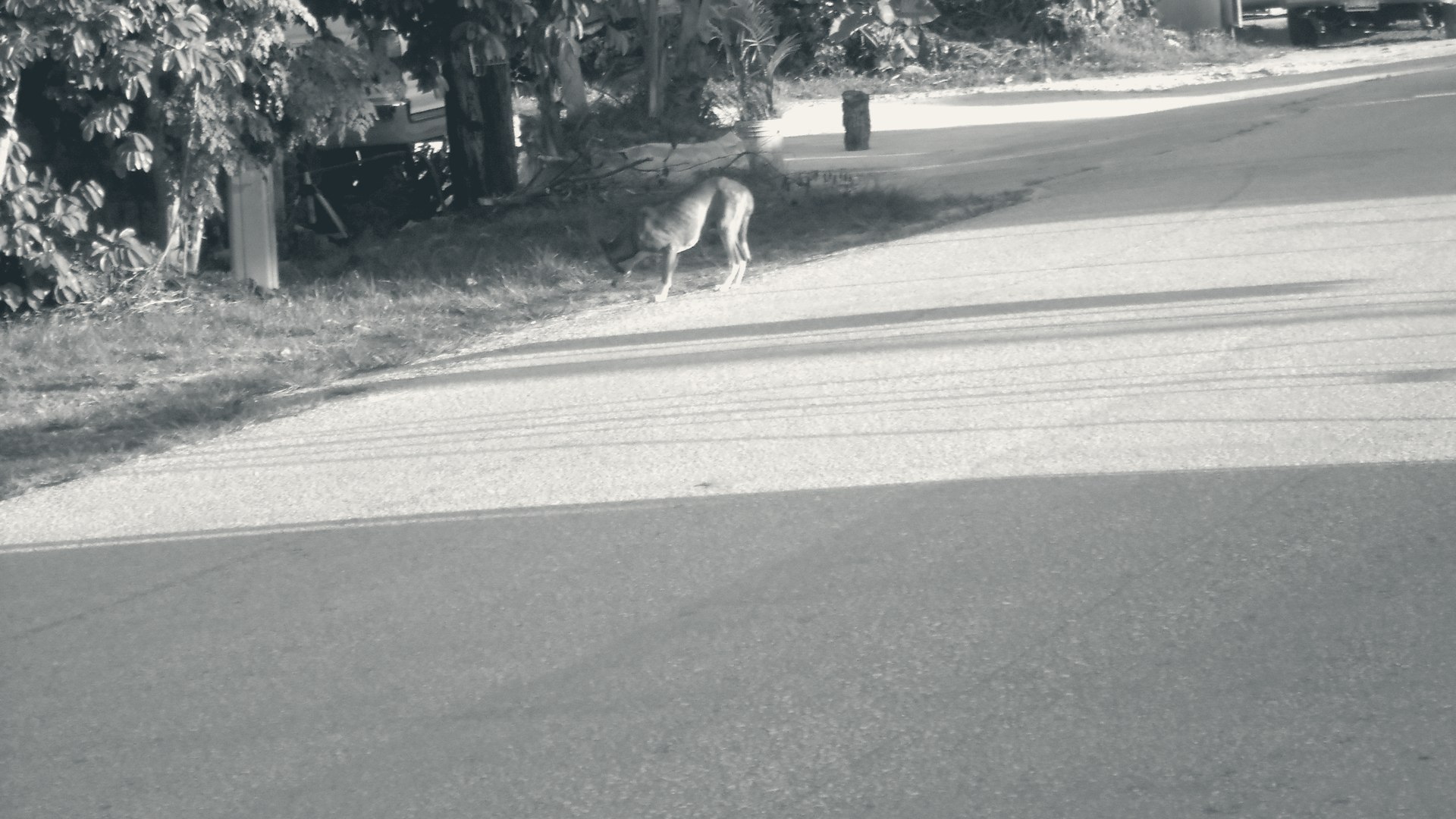
The basenji doesn't bark. It draws.
Every puppy I raise carries the same clean lines: pricked ears, wrinkled forehead, a lean silhouette. I've been drawing them for fifteen years before I ever bred one — Trait Pur grew out of that sketchbook.
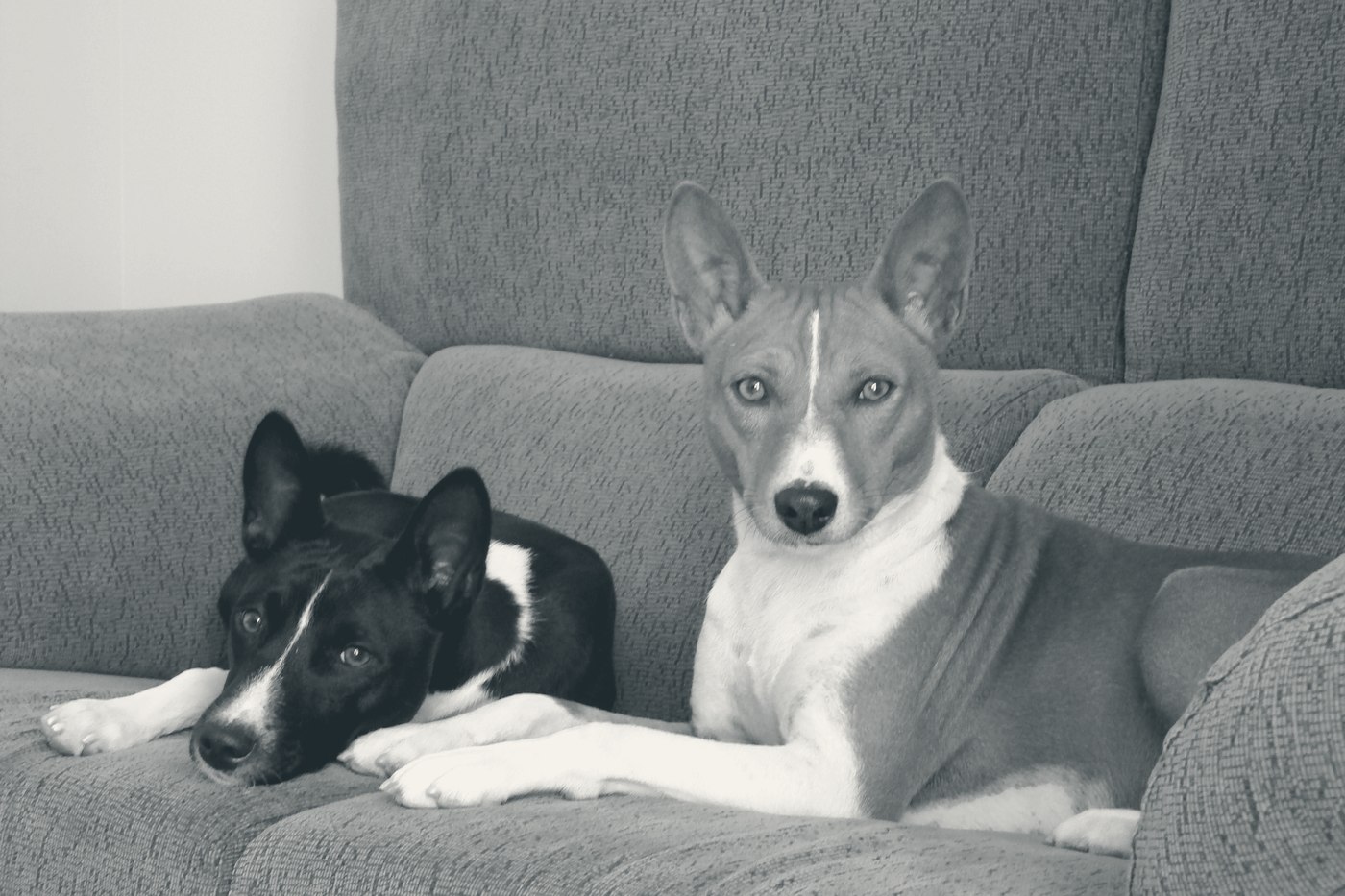
I only draw one line at a time.
The basenji is a demanding breed — independent, quiet, sometimes puzzling for anyone expecting a conventional dog. I couldn't know it this well if I were also raising three other breeds alongside it.
My females live with me, at home, in Outremont. One litter a year on average: the basenji female only comes into heat once annually, which already naturally limits the pace — and I don't try to force it.
Odile Marchand
Illustrator and breeder, Outremont
Three commitments, for every puppy.
They apply to every litter, without exception.
Testing before every litter
Hips, patellas, eyes and Fanconi syndrome — a kidney disorder known in the breed. No mating happens without these results in hand, handed over in full to families.
Daily socialization
Handling from birth, exposure to city sounds, children, other dogs. A poorly socialized basenji becomes a wary, standoffish dog — that is never simply "how the breed is."
A sketchbook, not just a contract
Every family receives a small illustrated booklet of their puppy — its first weeks, drawn by hand. And I stay reachable long after they leave, for as long as it takes.
The dog that doesn't bark — it sings.
Native to the Congo Basin, the basenji is physically unable to bark in the conventional sense: its larynx instead produces a "baroo," a yodel that always catches new owners off guard the first time they hear it.
It grooms itself, cat-like, and its short coat carries almost no odor. It's a smart, independent dog with a strong prey drive — not everyone's ideal first dog, and I say so plainly from our very first conversation.
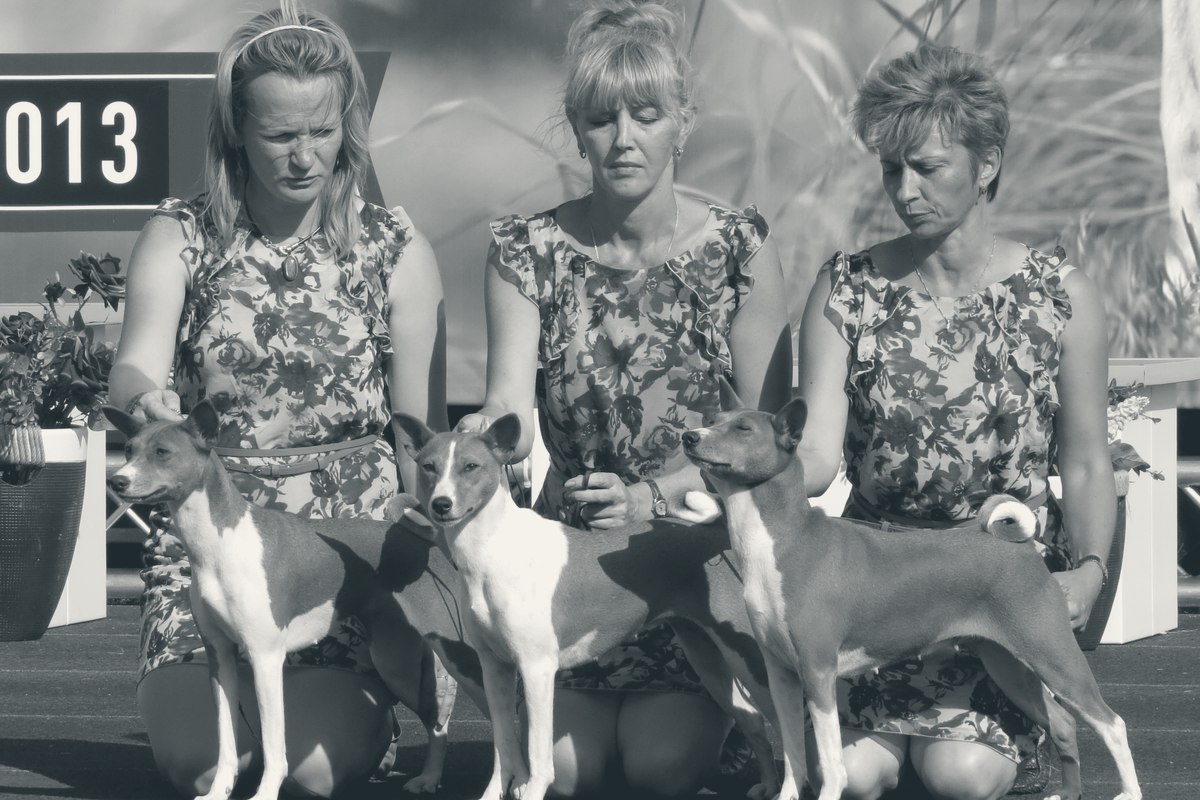
From your first question to going home.
You write to me
Tell me about your household: experience with dogs, living situation, what draws you to the basenji specifically. I reply within one to two days — sometimes to tell you it isn't the right breed for you.
We meet
A visit to the studio-kennel by appointment, even before a litter is born. You'll meet the parents and see where the puppies will grow up.
Reservation and matching
A $500 deposit confirms your spot. Puppy-to-family matching happens around week six, based on observed temperament — never on the colour picked from a photo.
Going home at eight weeks
Your basenji leaves vaccinated, dewormed, microchipped, examined by my veterinarian, with its illustrated booklet and a blanket that smells like its litter.
A litter is expected this fall.
My puppies almost always find a family before they're even born. If you're considering a basenji, now is the time to write — even without certainty yet.